Short answer: Architectural shingles cost the least up front. Standing seam metal and concrete tile cost about twice as much per square but can last twice as long. Your budget, how long you plan to stay, and whether your house can carry tile weight decide it.
Cost and lifespan side by side
| Material | Per square installed | 22-square roof | Lifespan |
|---|---|---|---|
| Architectural shingle | $475 – $750 | $10,500 – $16,500 | 20–25 yrs |
| Impact-resistant shingle | $600 – $925 | $13,000 – $20,500 | 20–30 yrs |
| Metal, exposed fastener (5V) | $800 – $1,200 | $17,500 – $26,500 | 30–40 yrs |
| Metal, standing seam | $1,000 – $1,800 | $22,000 – $39,500 | 40–60 yrs |
| Concrete tile | $1,000 – $1,900 | $22,000 – $42,000 | 40–50 yrs |
| Flat roof (TPO / modified) | $600 – $1,100 | $13,000 – $24,000 | 15–25 yrs |
Lifespans are typical Florida ranges. Heat, UV, salt air and storm history shorten them, and installation quality matters as much as the product.
Architectural shingles
- Best for: the lowest cost per year for most homes, and homes you may sell within ten years.
- Watch for: Florida sun and heat age shingles faster than in cooler states. Wind ratings vary by product and installation method. Ask for the rated wind speed and the high-wind nailing pattern in writing.
- Impact-resistant shingles cost more and hold up better to debris. Ask your agent whether your insurer credits them before you pay the premium.
Metal
- Standing seam hides its fasteners, which removes a common leak point. It is the most wind-resistant option when installed to spec, and it reflects heat.
- Exposed fastener (5V crimp, R-panel) costs less, but the screws and washers need checking over time.
- Near the coast, ask for aluminum or a coated steel rated for salt exposure, with matching fasteners.
- Noise in rain is mostly handled by the deck and underlayment underneath.
Concrete and clay tile
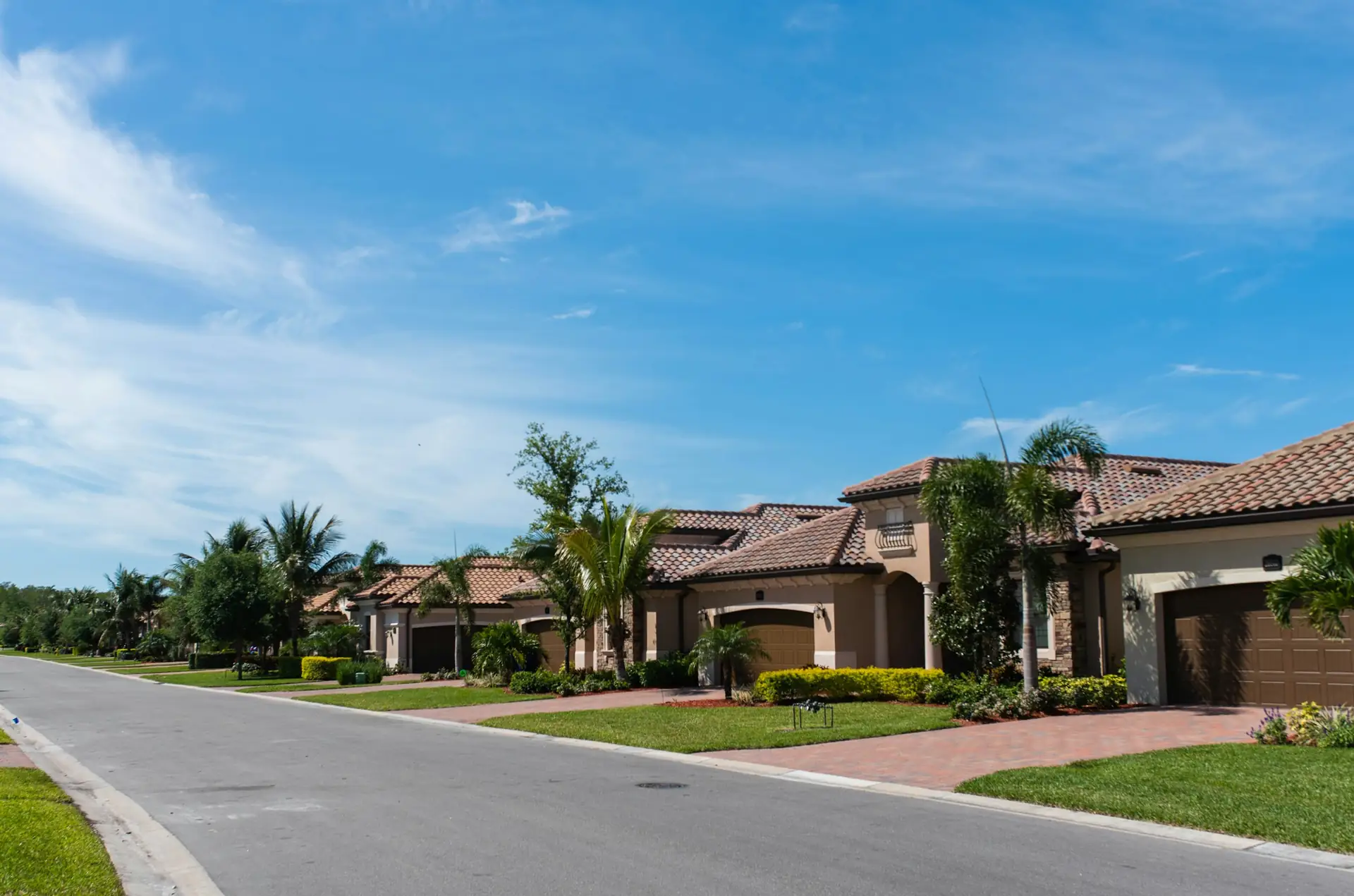
- Best for: Mediterranean and Spanish-style homes and buyers who want a 40-plus-year roof.
- Weight: tile is far heavier than shingle or metal. Switching a shingle house to tile usually needs an engineer to confirm the trusses can carry it.
- Watch for: the tile often outlasts the underlayment beneath it. Many tile “replacements” are really underlayment replacements with tile reinstalled or replaced.
- Wind: tile attachment method (foam adhesive or mechanical) drives wind performance. Ask which system and product approval your roofer uses.
Flat and low-slope roofs
Common on Florida rooms, porches, and many South Florida homes. TPO and modified bitumen are the usual choices. Drainage is everything: ask how water leaves the roof and whether new crickets or tapered insulation are included.
High-Velocity Hurricane Zone
In Miami-Dade and Broward, roofs fall under the Florida Building Code’s High-Velocity Hurricane Zone rules. Products need approvals that meet those standards, usually a Miami-Dade Notice of Acceptance (NOA), and inspections are stricter. Expect higher prices for every material.
Which one should you pick?
- Selling within 7 years or tight budget: architectural shingle.
- Staying 15-plus years, want the best wind performance: standing seam metal.
- Tile house now: tile again, or metal if the structure and HOA allow it.
- Insurance-driven: ask your agent to quote each material before you choose. Premium differences can change the math.
Compare all six materials on your actual roof
Enter your address. We measure your roof from satellite and show Florida price ranges by material. No phone number needed.
Frequently asked questions
Is a metal roof worth it in Florida?
If you plan to stay long enough to use its extra life, often yes. Standing seam metal costs roughly twice as much per square as architectural shingle, but typically lasts 40 to 60 years versus 20 to 25, and performs well in high wind when installed to spec.
How long do shingles last in Florida?
Architectural shingles typically last about 20 to 25 years in Florida. Heat, UV and storms shorten life compared with cooler climates, and installation quality matters.
Can I switch from shingles to tile?
Often, but tile is much heavier. Most roofers will want an engineer to confirm the roof framing can carry the load before you switch.